
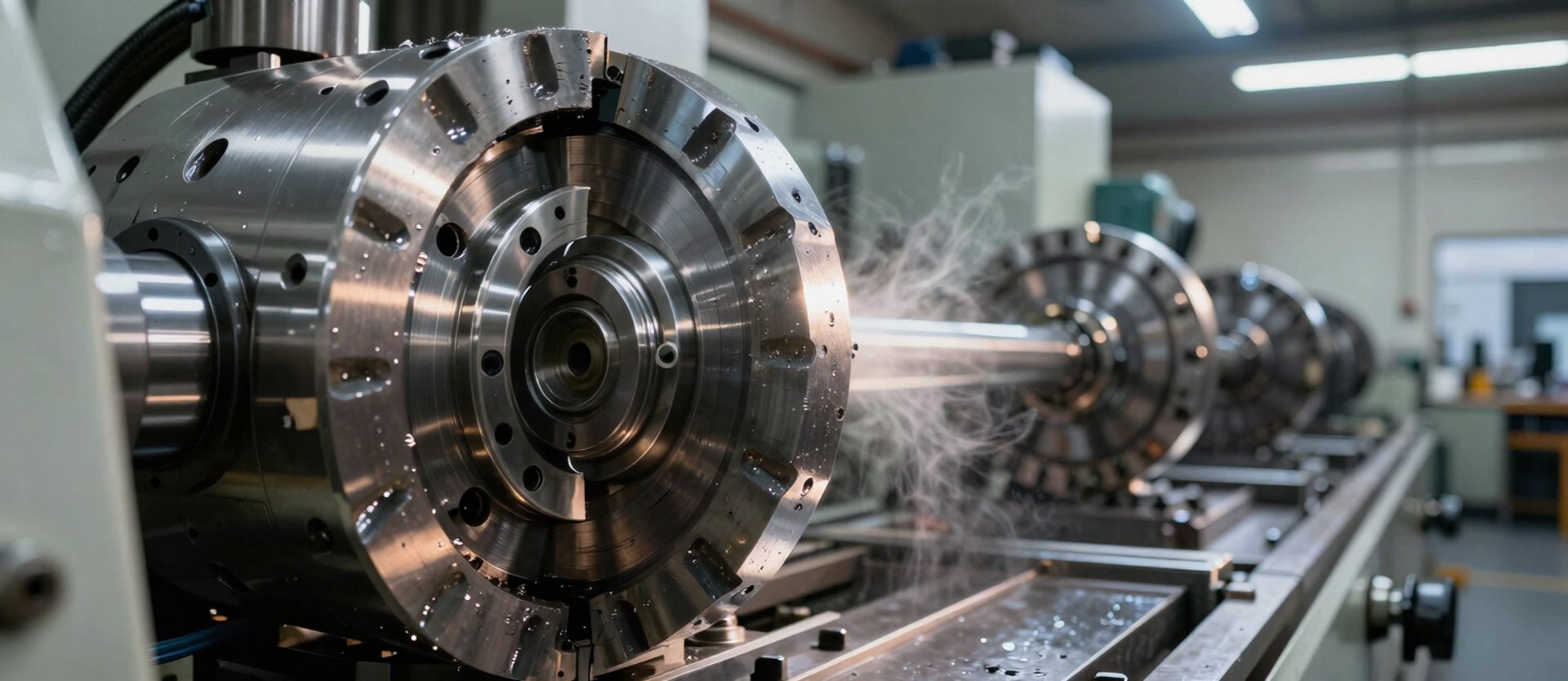
Diamond Grinding Wheels, Engineered by Application
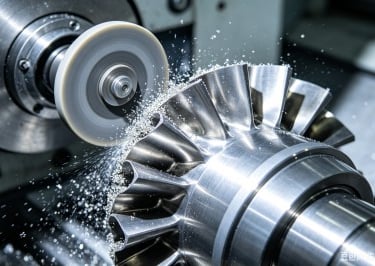
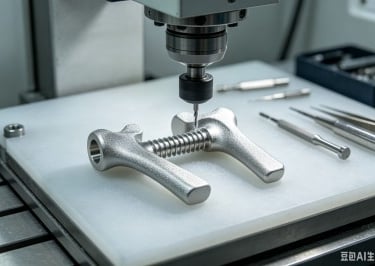
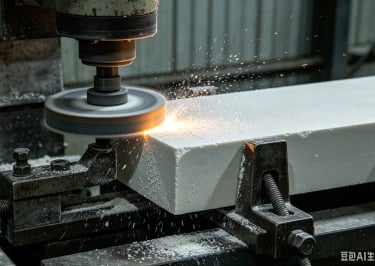
Wheel selection is not generic. Each vertical demands its own bond type, grain size, and surface finish target. Identify your industry and get wheels specified for your process.
Select Your Production Context
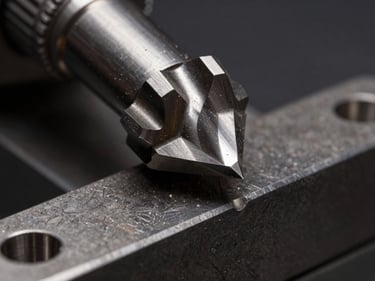
Cutting Tools Grinding Solutions
Grinding PCD and carbide tools requires extreme precision in edge geometry, consistent dressing intervals, and zero chipping on the tool flanks. Poor wheel performance leads to uneven edges, frequent redressing, and rejected tools.
Resin bond diamond wheel (e.g., 1A1 shape, D126 grit)
✅ High edge definition
✅ Low dressing frequency
✅ No workpiece chipping
Recommended Wheel
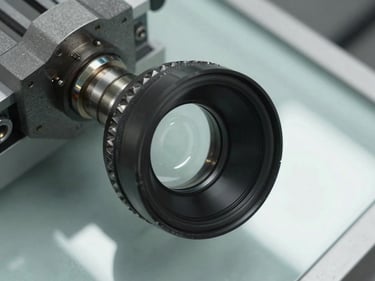
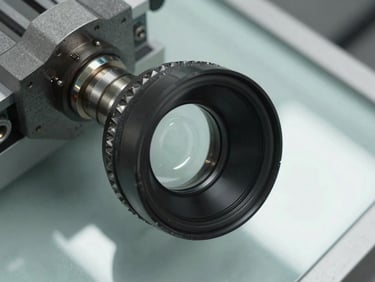
Optical Glass Grinding Solutions
Optical glass and lens yield depends on ultra-low surface roughness and minimal subsurface damage. Even minor cracks or surface defects can render parts unusable, making controlled grinding critical.
Recommended Wheel
✅ Mirror surface finish
✅ Minimal subsurface damage
✅ Stable grinding performance
Vitrified bond diamond wheel (e.g., 6A2 shape, D64 grit)
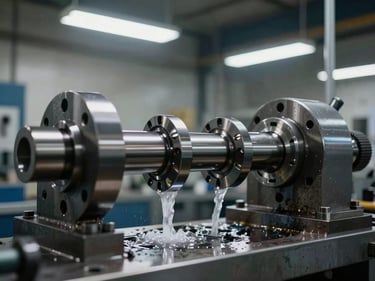
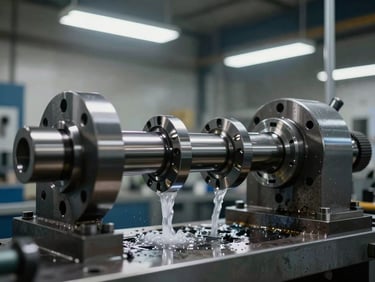
Automotive Grinding Solutions
High-volume production of camshafts, crankshafts, and brake components demands aggressive stock removal, consistent dimensional accuracy, and long wheel life. Frequent wheel changes and inconsistent cuts slow production and increase costs.
Recommended Wheel
Metal bond (rough grinding) / Resin bond (finish grinding)
✅ Fast stock removal
✅ Long wheel life
✅ Consistent dimensional accuracy
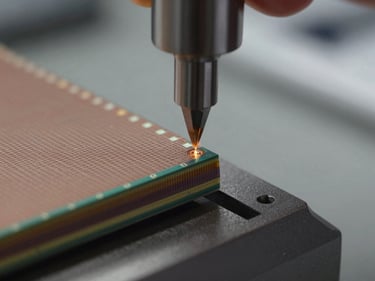
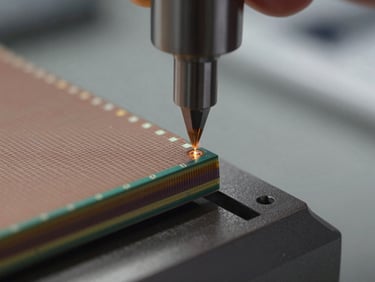
Semiconductor Wafer Processing Solutions
Wafer backgrinding and dicing require micron-level precision, minimal kerf loss, and completely chip-free edges. Any chipping or thickness variation can compromise wafer integrity in downstream processes.
Recommended Wheel
Resin bond diamond wheel (e.g backgrinding wheel, D46 grit)
✅ Ultra-thin wafer capability
✅ No edge chipping
✅ Consistent thickness variation control
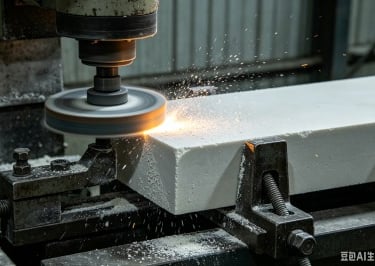
Mold & Die Grinding Solutions
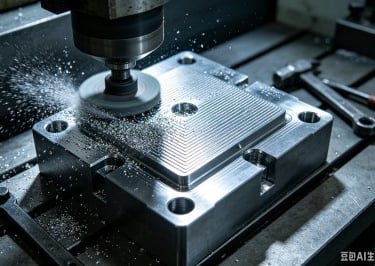
Grinding hardened tool steel and complex mold cavities demands precise form retention, consistent dimensional accuracy, and minimal burr formation. Poor wheel performance requires extensive post-grinding polishing, increasing lead times.
Resin bond diamond wheel (e.g., 1A1 shape, D126 grit)
✅ Stable complex profile
✅ Low burr generation
✅ Fewer polishing steps
Recommended Wheel
Aerospace Component Grinding Solutions
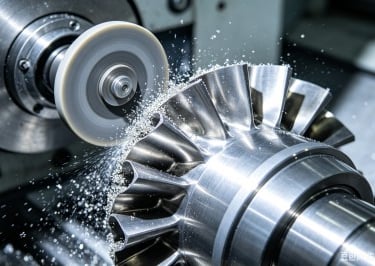
Titanium alloys, Inconel, and high-strength aerospace materials are difficult to grind, with high heat generation, rapid wheel wear, and risk of thermal damage. Burn marks or inconsistent removal rates can lead to costly part rejection.
Recommended Wheel
✅ Heat resistant, anti-burn
✅ Durable on hard alloys
✅ Stable removal rate
Metal bond diamond wheel (e.g, 1A1 shape, D126 / D181 grit)
Medical Instrument Grinding Solutions
Precision grinding of surgical blades, orthopedic implants, and dental burs requires ultra-sharp cutting edges, burr-free surfaces, and controlled surface roughness. Any defect can compromise biocompatibility or performance in medical applications.
Recommended Wheel
Resin bond diamond wheel (e.g., 12A2 shape, D46 grit) / Vitrified bond for implants
✅ Sharp cutting edges
✅ Burr-free implant parts
✅ Stable finish, good biocompatibility
Advanced Ceramic Grinding Solutions
Technical ceramics like alumina, zirconia, and SiC are extremely hard and brittle, prone to chipping, cracking, and subsurface damage during grinding. These defects significantly reduce part strength and yield.
Recommended Wheel
Vitrified bond diamond wheel (e.g 1A1 shape, D64 grit) / Metal bond for heavy stock removal
✅ Anti-chipping & anti-crack
✅ High removal efficiency
✅ Durable for harsh grinding
Get Your Custom Diamond Grinding Wheel Recommendation
Tell us about your grinding application below, and our engineers will send you a tailored specification and quotation within 24 hours.