What Processing Scenarios Suit Electroplated Diamond Wheels?
Electroplated diamond wheels with Mohs 10 diamond grains cut stone & metal efficiently. Wear-resistant and customisable for precision machining. Proper speed, coolant and maintenance prolong service life.
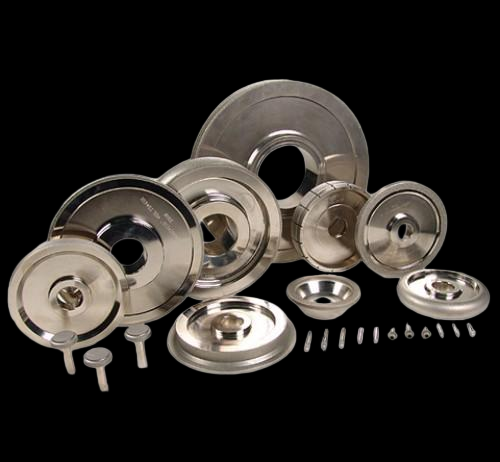
1. Working Principle & Structural Composition
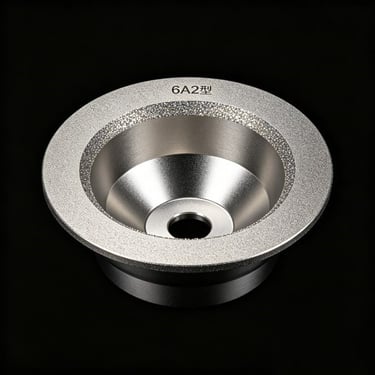
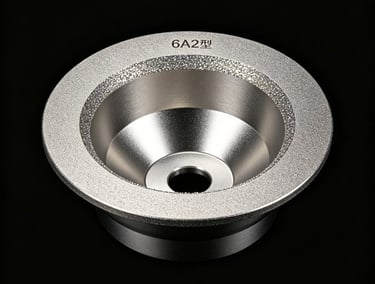
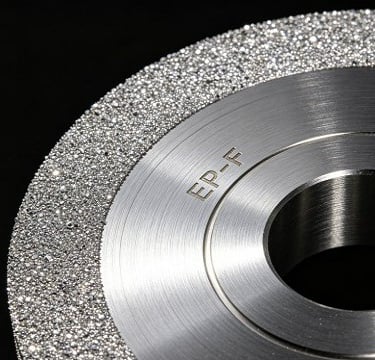
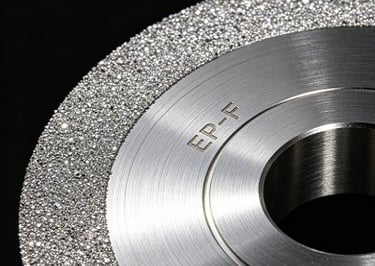
Electroplated diamond wheels rank as mainstream precision superabrasive tools across global machining industries. Relying on diamond’s unmatched hardness, they execute cutting and surface finishing for hard metals, stone and brittle workpieces. As a mature electroplating manufacturing process locks diamond grit onto metal substrates, these custom superabrasive wheels deliver consistent precision for tight-tolerance projects favored by European mold factories and US medical component machining workshops. At premiumcn.com, we engineer application-specific electroplated diamond wheels to resolve diverse grinding pain points for overseas precision manufacturers
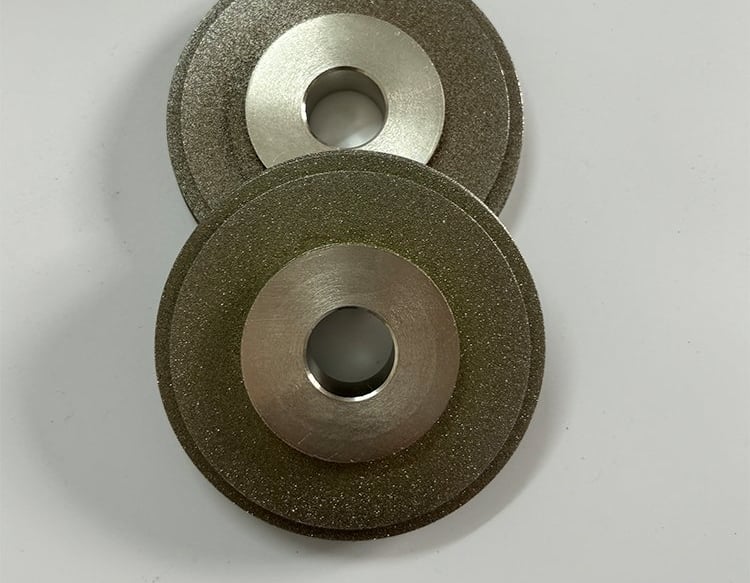
Against traditional resin-bonded abrasives, electroplated diamond wheels feature outstanding wear resistance and higher material removal rates, ideal for continuous mass production.
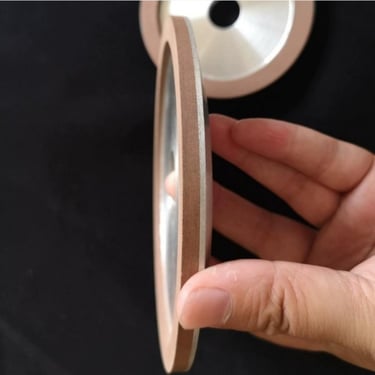
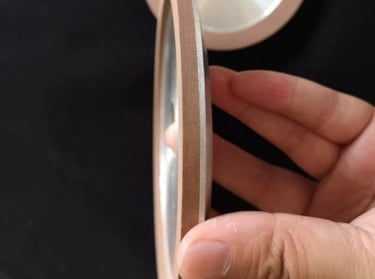
We precisely control plating thickness within 0.1–0.3 mm to balance grit adhesion and heat dissipation. Our small batch custom diamond wheel service at premiumcn.com supports tailor-made outer diameter, thickness and diamond concentration for special-shaped parts and unique production lines. Every custom wheel undergoes parameter simulation to optimize strength, precision and overall processing cost, backed by strict diamond wheel dynamic balance inspection before delivery.
2. Working Principle & Structural Composition
Critical Operational Tips
Rotation speed control: 1,000–3,000 RPM for stone processing to reduce thermal accumulation; over 5,000 RPM for metal grinding to lift removal efficiency
Pre-use inspection: Double-check wheel installation to avoid vibration and dimensional deviation
Continuous coolant circulation: Stop diamond grain shedding and substrate deformation caused by overheating
Periodic dressing: Maintain dimensional accuracy and extend wheel service life
Primary Machining Applications
Stone processing: Cutting and shaping marble, granite and natural stone slabs
Precision metal grinding: Finishing stainless steel, tungsten carbide cutters and mold components
3. Core Technical Advantages & Customization Support
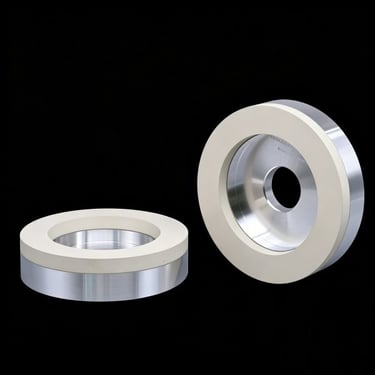
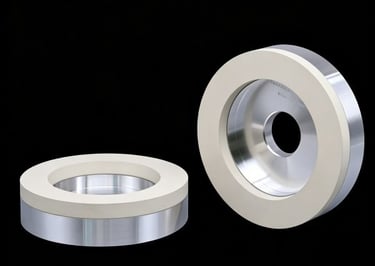
All core specs are customizable: grit size, grit concentration for electroplated diamond wheel and substrate profile are adjusted to match distinct machining demands. Coarse grains speed up stone cutting, while fine grains produce mirror-grade finishes for diamond grinding wheel for carbide applications. Every finished wheel at premiumcn.com passes full dimensional testing to guarantee reliable electroplated diamond tool tolerance.
Final CTA
As a professional grinding solution factory, PremiumCN delivers stable, application-specific electroplated diamond wheels for global precision manufacturers. If you encounter low grinding efficiency or unstable surface quality, visit premiumcn.com, share your workpiece materials, machine parameters and drawings to get a free technical assessment and customized abrasive solution.