How to Judge the Service Life of Diamond Grinding Wheels Before Purchase
For CNC purchasers and grinding technicians, diamond wheel service life directly determines production efficiency and tooling costs.
2. Diamond Concentration & Bond Type Matching
A common purchasing misunderstanding is that higher diamond concentration always means longer service life. In fact, durability depends on the matching of concentration and bond material.
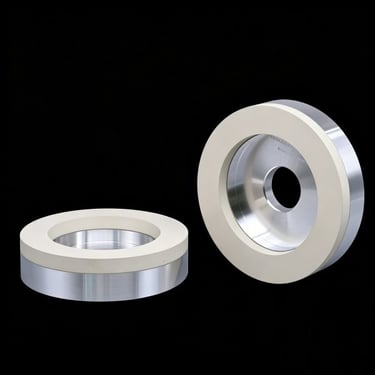
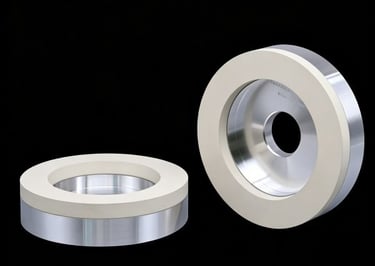
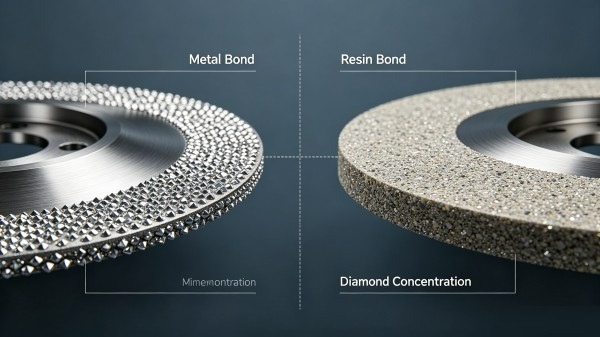
Metal bond wheels support high diamond concentration, delivering strong stability and wear resistance for long-hour grinding of hard materials like tungsten steel and carbide. Resin bond wheels, with moderate concentration, are more suitable for fine grinding and smooth surface finishing. Blindly increasing concentration will cause rigid abrasion waste, instead shortening wheel life and increasing grinding heat.
For CNC purchasers and grinding technicians, diamond wheel service life directly determines production efficiency and tooling costs. Many short-lived grinding wheels fail not because of improper operation, but due to poor parameter matching and low-grade raw materials selected at the time of purchase. Before placing an order, buyers can effectively evaluate wheel durability through several practical core factors.
1. Diamond Grain Quality
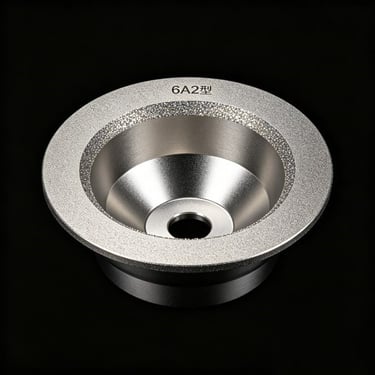
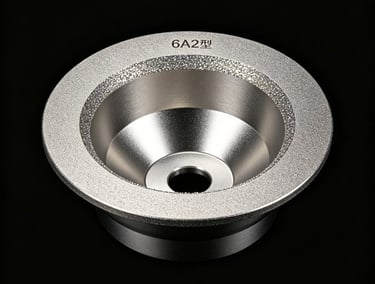
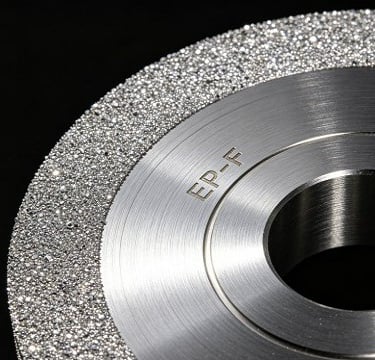
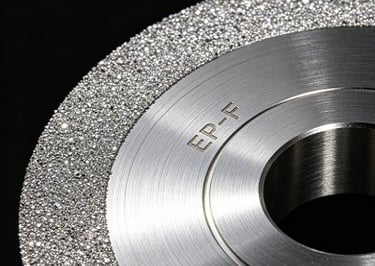
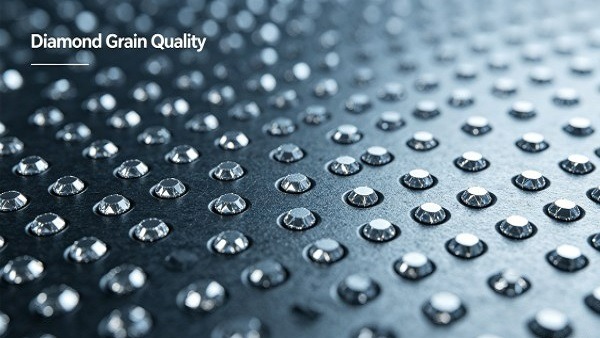
Diamond grain quality is the foundation of long wheel life. High-quality diamond grains feature uniform size, regular shape and stable hardness. Uniform grains cut steadily, reduce intermittent impact during grinding, and avoid early wear. In contrast, irregular, mixed-size diamond particles cause uneven cutting force, easily scratch workpieces, and wear out the abrasive layer rapidly.
Besides grain shape, the bonding fit between diamond grains and wheel matrix also matters. Well-matched grains are firmly fixed and not easy to fall off, maintaining consistent grinding performance throughout long-term mass processing.
4. Common Purchasing Mistakes to Avoid
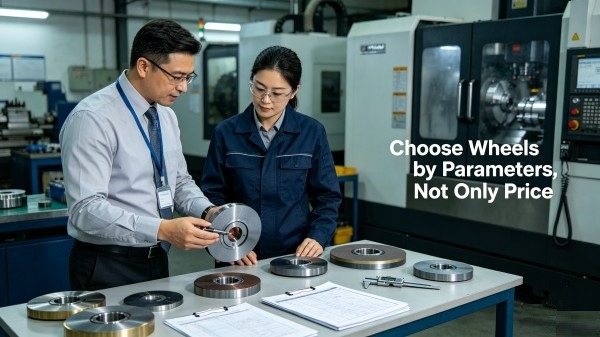
Most short-life wheel problems stem from two wrong choices: choosing low-cost generic wheels without checking technical parameters, and applying fixed wheel specifications to diverse grinding materials.
Different workpieces (carbide, ceramic, PCD, glass) require exclusive matching of grain size, concentration and bond hardness. Generic wheels cannot adapt to specific processing scenarios, resulting in fast wear, workpiece burning or chipping.
3. Abrasive Layer Thickness & Manufacturing Compactness
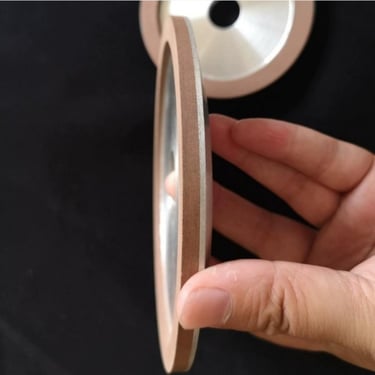
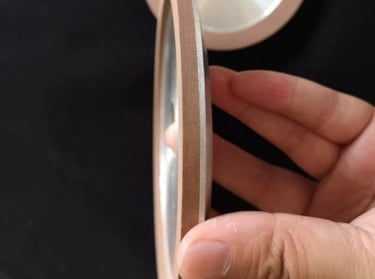
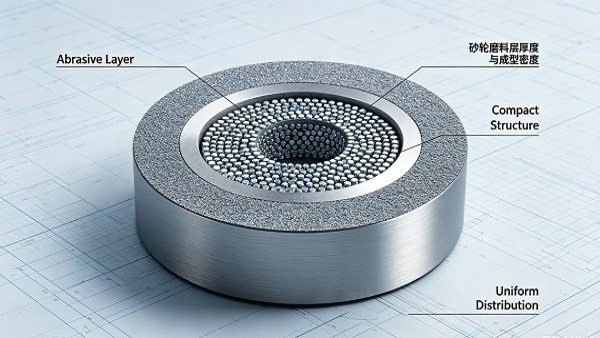
Thicker, uniformly structured abrasive layers effectively extend wheel service life by providing more usable grinding allowance. However, excessive thickness will reduce grinding precision and affect surface finish.
Manufacturing compactness is another hidden key point. Wheels with high compactness feature even diamond distribution, stable overall structure, less vibration during operation, and minimal grain shedding. Loose, poorly compacted wheels wear quickly and cannot sustain stable mass production.
Final Verdict
To accurately judge diamond wheel service life before purchase, focus on diamond grain quality, reasonable parameter matching, qualified abrasive layer thickness and standardized manufacturing compactness. For stable, long-life custom diamond grinding wheels tailored to your processing scenarios, you can get professional parameter configuration and quality assurance solutions from premiumcn.com.
If you have specific workpiece materials and grinding requirements, contact us to obtain targeted wheel recommendations and sample testing support.